Navigate Your Path: How Down Payment Assistance Makes Homeownership Possible
Are rising home prices making you feel stuck? Down payment assistance programs can help turn your dream of owning a home into reality. Discover your options today.
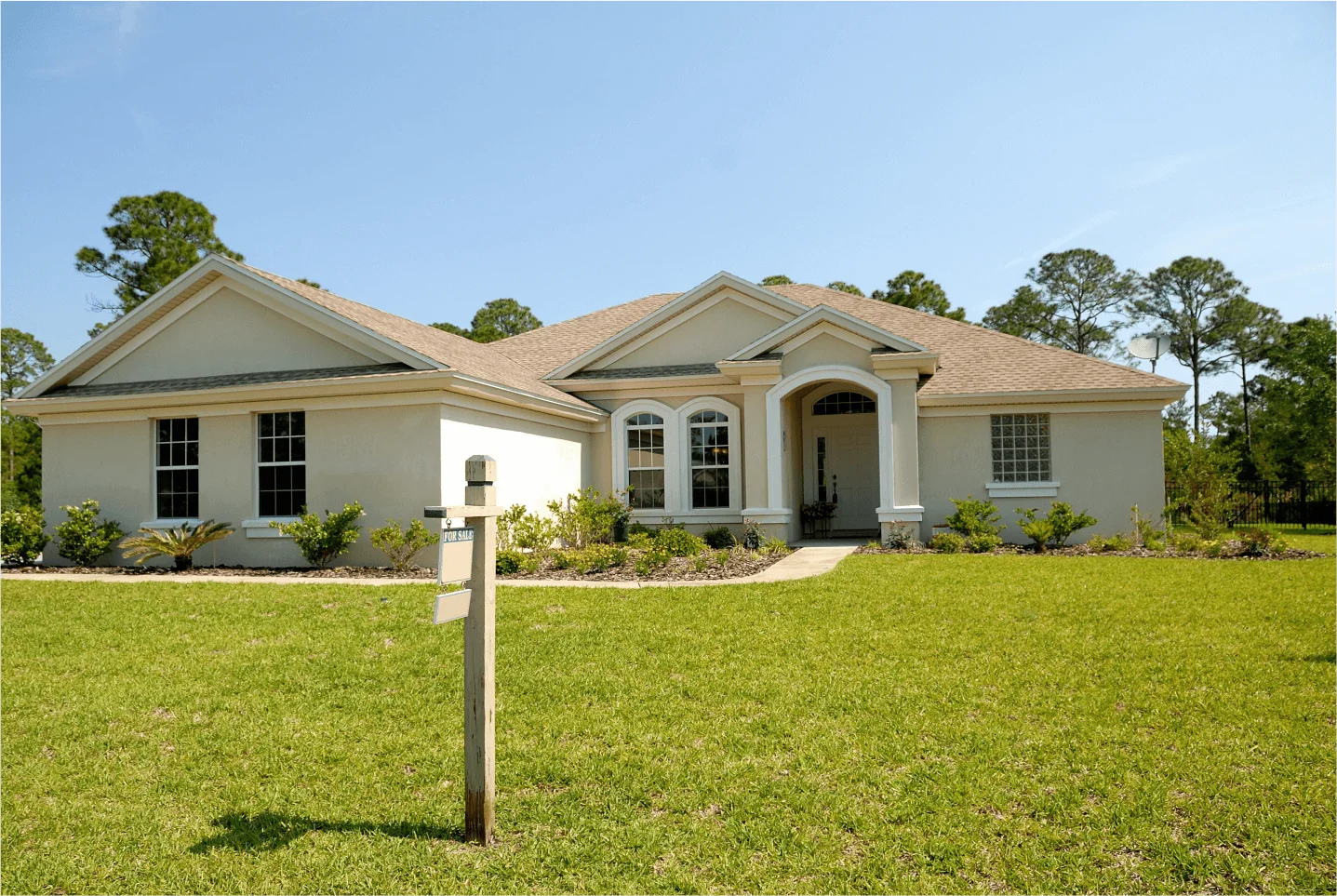
Owning a home is a dream that many people share. It’s a place where you can create memories, feel secure, and build your future. But there’s often a big hurdle standing in the way: the down payment. This initial cost can feel overwhelming and even impossible for many aspiring homeowners. However, down payment assistance programs offer a helping hand, making the journey to homeownership smoother and more achievable.
Let’s explore how down payment assistance works and how it can become your stepping stone to owning a home.
Down payment assistance, or DPA, comes in various forms and can significantly reduce the barrier to buying a house. These programs are designed to help individuals and families with their down payment and, in some cases, closing costs. They can be especially beneficial for first-time homebuyers who may not have enough savings to cover the standard down payment, which typically ranges from 3% to 20%.
DPA programs can be funded by federal, state, or local government agencies, as well as nonprofits and even some private organizations. The funds provided can come as grants, which do not need to be repaid, or as loans that may have more favorable terms than traditional financing. Understanding the different types of assistance available is essential in navigating this path to homeownership.
One of the most common types of down payment assistance is a grant, which provides money that you do not have to pay back. This type of assistance can help cover a portion or even the entirety of your down payment. Another option is a second mortgage, which is a loan that sits behind your primary mortgage. These loans can offer low or no interest, making them easier to manage.
Some programs even provide assistance based on the buyer’s income and the area’s housing market. For instance, certain programs are tailored for low-to-moderate income families, ensuring that those who need the most help can find it. Additionally, there are programs specifically designed for teachers, firefighters, and other public service workers, which can provide extra incentives and benefits for those dedicated to their communities.
Navigating these options may seem daunting, but it’s important to approach the process step by step. The first step is to assess your eligibility. Most programs will require you to meet specific criteria, such as income limits or home purchase price limits. It’s a good idea to have your financial documents in order, including proof of income and current debts, as this will help streamline the process once you find a program that suits your needs.
Once you understand your eligibility, the next step is to research the programs available in your area. Many local housing authorities have websites that list available assistance programs and their requirements. Additionally, some nonprofit organizations offer workshops and counseling to help potential homebuyers understand their options and prepare for the responsibilities of homeownership.
As you explore these opportunities, it’s beneficial to connect with a knowledgeable mortgage loan officer. They can guide you through the whole process, providing personalized advice based on your specific situation. A skilled loan officer will help you understand the various programs and identify which options align best with your financial goals. They can also assist you in completing the necessary paperwork and ensure you meet all deadlines.
In addition to understanding down payment assistance programs, it’s essential to know how to improve your overall financial health. A stronger financial profile can enhance your chances of qualifying for assistance and securing a mortgage. Here are a few tips to help you bolster your financial standing:
1. **Build Your Credit Score**: Your credit score plays a significant role in obtaining a mortgage. The higher your score, the better your chances of securing favorable terms. Make sure to pay your bills on time, reduce credit card balances, and avoid taking on new debt right before applying for a mortgage.
2. **Create a Budget**: Having a clear budget can help you manage your finances better. Track your income and expenses to find areas where you can save. This not only aids in building your down payment but also prepares you for the ongoing costs of homeownership.
3. **Save for Additional Expenses**: Remember that buying a home involves more than just the down payment. You will also need to consider closing costs, moving expenses, and ongoing maintenance. Having savings set aside can create a buffer and give you peace of mind.
4. **Educate Yourself About Homeownership**: Attend homebuyer education classes. Many organizations offer free or low-cost workshops that provide valuable insights into the homebuying process, budgeting, and maintaining a home. This knowledge can empower you to make informed decisions.
5. **Stay Informed**: The housing market can change, and new programs may become available. Keep an eye on news related to housing and local government programs. Being informed can give you an edge in your homebuying journey.
Each person's journey to homeownership is unique, and down payment assistance can play a crucial role in making that journey possible. If you’re feeling overwhelmed or unsure about where to begin, don’t hesitate to reach out for help. Our team of mortgage loan officers is here to assist you in navigating your path to homeownership. We can provide tailored advice based on your specific needs and guide you to the down payment assistance programs that are right for you.
Together, we can make your dream of owning a home a reality. Take the first step today by contacting us to discuss your options and how we can support you on this exciting journey.