Mastering Home Affordability: Your Path to Confident Homeownership Decisions
Thinking about buying a home but worried about costs? Don't fret! Let's uncover smart tips to help you tackle affordability and make homeownership yours.
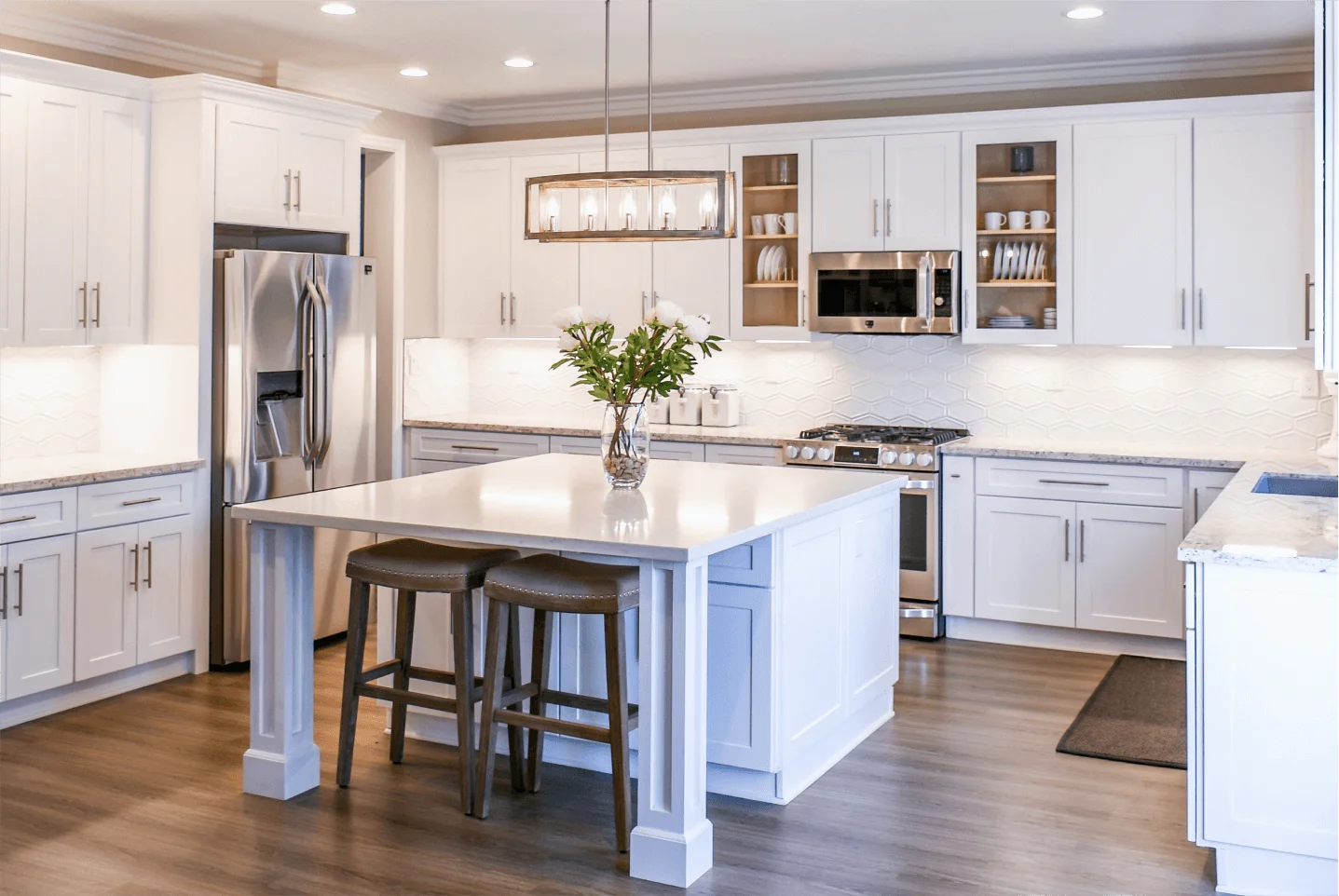
Purchasing a home is one of the most exciting and significant milestones in life. It’s a journey filled with dreams, plans, and, yes, sometimes a little anxiety. But what if you could navigate this path with confidence? Understanding home affordability is key to making smart decisions that lead to successful homeownership. As you embark on this journey, you’ll find that mastering home affordability makes it easier to reach your goals.
To begin with, let’s understand what home affordability really means. At its core, home affordability refers to how much house you can comfortably afford without straining your finances. This isn’t just about the price of the home; it's also about your income, debts, savings, and lifestyle. When you know what fits your budget, you can focus on homes that won’t cause financial stress down the line.
One crucial factor in determining your home affordability is your income. As a rule of thumb, lenders often suggest that your monthly housing costs should not exceed 28% of your gross monthly income. This includes mortgage payments, property taxes, and homeowners insurance. If you earn $5,000 a month, your ideal housing costs should be around $1,400. However, this is just a guideline. Everyone's situation is different, so it’s essential to assess your financial situation carefully.
Next, consider your existing debts. Lenders typically look at your debt-to-income (DTI) ratio, which compares your monthly debt payments to your gross monthly income. A good DTI ratio is usually around 36% or lower. If you have significant student loans, car payments, or credit card debt, these numbers will affect how much house you can afford. By paying down high-interest debts or adjusting your budget, you can improve your DTI and potentially increase your home-buying power.
Don’t overlook the importance of savings when planning for home affordability. Having a healthy savings account can make a big difference. Not only does it provide a cushion for unexpected expenses, but it also helps with your down payment. The more you can put down upfront, the less you will need to borrow, which can lead to lower monthly payments and interest rates. Aim for at least 20% of the home’s purchase price for your down payment if possible, as this can help you avoid private mortgage insurance (PMI) and save you money in the long run.
Another aspect to consider is your lifestyle. What kind of home do you envision? Will it require substantial repairs or renovations? Understanding the ongoing costs of homeownership—like maintenance, utilities, and property taxes—can help you create a more accurate picture of what you can afford. Additionally, make sure to factor in any changes in your life that may affect your finances, such as job changes or starting a family.
Now, let’s talk about credit scores. Your credit score plays a significant role in home affordability. Lenders use this score to gauge your creditworthiness, and a higher score can lead to better mortgage terms. If your score needs a boost, consider paying down credit card balances, making payments on time, and checking your credit report for errors. Improving your score takes time, but even small changes can have a positive impact.
It’s also vital to look at the mortgage types available to you. There are various options, including fixed-rate and adjustable-rate mortgages. A fixed-rate mortgage offers stability with a consistent monthly payment, while an adjustable-rate mortgage may start lower but can fluctuate over time. Explore your options thoroughly to find what aligns best with your financial goals and lifestyle.
Once you have a good grasp of your finances, consider creating a comprehensive budget. By tracking your spending and saving, you can see where adjustments can be made. This statement will not only help you manage your current expenses but also prepare you for the future costs of homeownership. Setting aside funds for maintenance, repairs, and unexpected bills will help you maintain financial stability.
As you think about homeownership, it’s essential to remember that affordability is not only about numbers. It’s also about making the right decision for your future. Take the time to reflect on what homeownership means to you. Are you looking for stability, investment, or a place to build memories? Understanding your motivations can guide you toward the right choices.
Engaging with a knowledgeable mortgage loan officer can also help you navigate the intricacies of home affordability. These professionals understand the landscape and can offer personalized advice tailored to your unique situation. Rather than viewing them simply as lenders, think of them as partners in your home-buying journey. They can provide insights on various mortgage programs and help you understand the nuances of the market.
If you have specific questions or need assistance in determining your home affordability, don't hesitate to reach out. Whether you're just starting to think about buying or are ready to dive into the process, our team of skilled mortgage loan officers is here to help. We are dedicated to providing you with the information and support you need to make confident homeownership decisions. Together, we can ensure that your path to homeownership is smooth and successful. Contact us today to discuss your needs and take the first step toward making your dream home a reality.